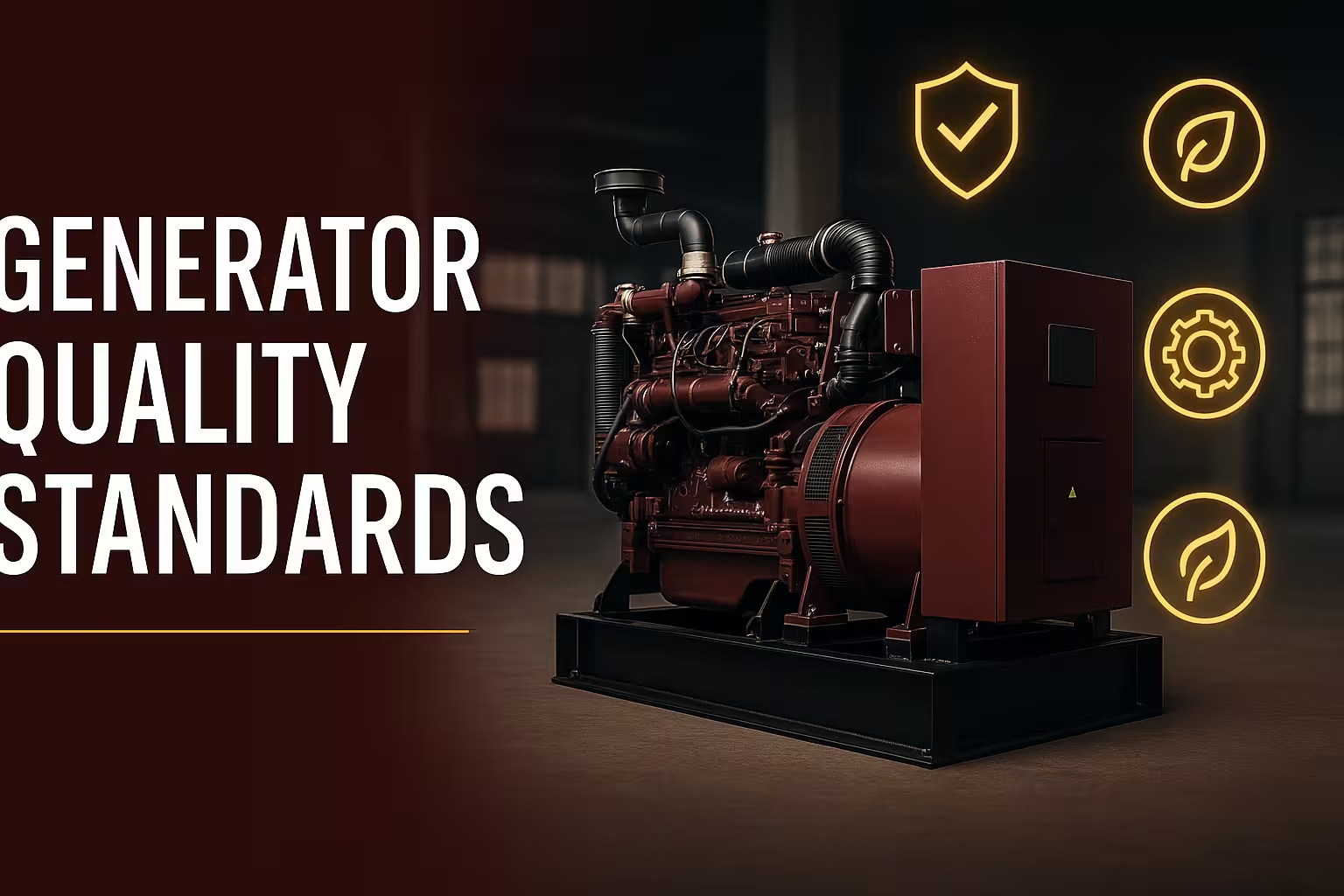
Generator Quality Standards: Key Indicators for Reliable Performance
When evaluating a generator, the discussion must go beyond simple specifications like output power or fuel tank size. True quality is determined by a holistic set of factors, including construction, durability, brand reputation, and operational reliability. This article highlights the most critical parameters for classifying generators—whether diesel, gasoline, gas-powered, or hybrid—into high-quality, medium-quality, and low-quality categories. Stay with us to check and review the generator quality standards.
1. Engine and Alternator Brand in Generator Quality Standards
- High Quality: Generators built with engines from globally recognized brands such as Perkins, Cummins, Yanmar, Kubota, Honda, or Kohler, paired with reputable alternators like Stamford, Leroy-Somer, or Mecc Alte. These ensure reliability, efficiency, and long-term performance.
- Medium Quality: Regional brands with acceptable performance but limited global recognition.
- Low Quality: Non-branded or anonymous engines and alternators, which often lack durability and support.
2. Material and Assembly in Generator Quality Standards
- High Quality: Thick steel or aluminum body with anti-rust coating, precise welding, strong anti-vibration systems, and neatly organized wiring.
- Medium Quality: Standard-grade materials with basic paint finish and moderate build quality.
- Low Quality: Thin metal sheets, weak paint, and poor wiring—leading to short service life and frequent failures.
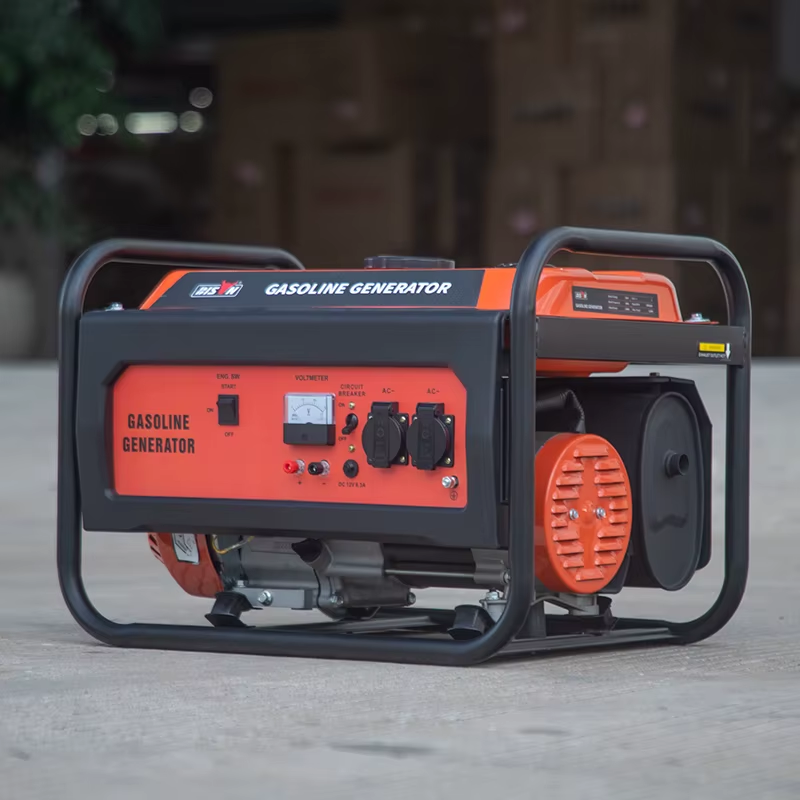
3. Noise and Vibration Control as Part of Generator Quality Standards
- High Quality: Effective acoustic insulation, low-noise exhaust systems, minimal vibration, and noise levels below 70 dB at 7 meters.
- Medium Quality: Noise levels between 70–80 dB with moderate vibration.
- Low Quality: Excessive vibration and noise levels above 80 dB, unsuitable for residential or sensitive environments.
4. Control and Safety Systems
- High Quality: Equipped with digital control panels, Automatic Voltage Regulation (AVR), automatic shutdown for oil pressure loss, overload protection, and remote start options.
- Medium Quality: Basic panels with AVR and limited protection.
- Low Quality: No AVR and minimal safety features—posing risks to both users and equipment.
5. Fuel Efficiency and Emissions in Generator Quality Standards
- High Quality: Optimized fuel consumption and compliance with modern emission standards such as EPA Tier 4 or EU Stage V, ensuring both cost savings and environmental responsibility.
- Medium Quality: Average fuel consumption with older compliance levels.
- Low Quality: High fuel usage and no adherence to emission standards.
6. Durability, Maintenance, and Generator Quality Standards
- High Quality: Service life exceeding 5,000 hours, easy maintenance access, and readily available spare parts.
- Medium Quality: Lifespan of 2,000–5,000 hours with moderate parts availability.
- Low Quality: Less than 2,000 hours of operation and scarce spare parts.
7. Brand Reputation and After-Sales Service
- High Quality: Globally trusted brands with established service networks and multi-year warranties.
- Medium Quality: Limited regional support and shorter warranty terms.
- Low Quality: No reliable service or warranty, making long-term use risky.
8. Voltage Stability and Generator Quality Standards
- High Quality: Stable voltage and frequency output with Total Harmonic Distortion (THD) under 5%, making them safe for sensitive electronic devices.
- Medium Quality: Acceptable performance with occasional fluctuations.
- Low Quality: Severe instability that can damage connected equipment.
Conclusion
Choosing the right generator requires a comprehensive evaluation of quality indicators, not just focusing on advertised power ratings. By understanding parameters such as brand reliability, build quality, noise levels, safety features, and emission compliance, businesses and individuals can invest in generators that provide long-term efficiency, safety, and return on investment.
At Al Falak Al Ahmar, we are committed to supplying only high-quality industrial power solutions—ensuring our clients receive products that meet strict international standards and deliver dependable performance in every environment.
References
- U.S. Environmental Protection Agency (EPA). Emission Standards for Stationary Engines (Tier 4 Final).
- European Union (EU). Stage V Emission Standards for Non-Road Mobile Machinery (NRMM).
- Cummins Inc. Generator Set Standards and Quality Assurance.
- Perkins Engines Company Ltd. Diesel Generator Engines – Technical Data and Reliability.
- Stamford | Cummins Generator Technologies. Alternator Performance and Quality Standards.
- Mecc Alte Group. Alternator Product Standards and Certifications.
- International Electrotechnical Commission (IEC). IEC 60034 – Rotating Electrical Machines: Voltage and Frequency Stability Standards.